

Article Summary
A good Makeup Puff should do more than press powder onto the face. It should help foundation sit evenly, reduce product waste, feel comfortable on skin, support hygienic use, and match the texture of different formulas. For beauty brands, retailers, salons, and private label buyers, the right puff can also influence customer satisfaction, repeat orders, packaging value, and product reviews. This article explains how to choose a Makeup Puff by material, shape, finish, application purpose, cleaning needs, and bulk purchasing requirements. It also looks at common buyer mistakes and practical selection points for brands working with Ningbo Purly Imp. & Exp. Co., Ltd.
Table of Contents
- Why Does the Right Makeup Puff Matter So Much?
- Article Outline
- What Problems Do Buyers Usually Face With Makeup Puff Selection?
- Which Makeup Puff Material Works Best for Different Formulas?
- How Can Different Makeup Puff Types Be Compared?
- What Should Beauty Brands Check Before Bulk Purchasing?
- How Does a Makeup Puff Improve the Customer Experience?
- Do Cleaning and Hygiene Affect Makeup Puff Performance?
- Which Mistakes Should Buyers Avoid?
- FAQ
- Conclusion
Why Does the Right Makeup Puff Matter So Much?
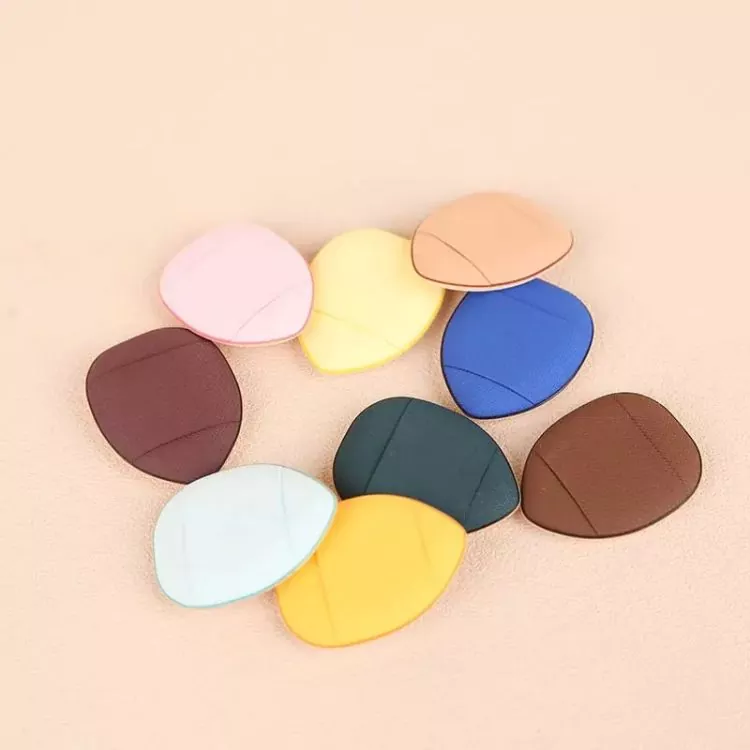
A Makeup Puff looks simple at first glance, but it often decides whether a beauty product feels easy, clean, and pleasant in daily use. A soft puff can help powder settle smoothly on the skin. A dense puff can improve coverage. A well-cut puff can reach the side of the nose, the under-eye area, and other small facial zones without leaving uneven marks. When the puff performs well, the makeup product feels better too.
This matters especially for beauty brands. Customers may buy a compact powder, cushion foundation, or loose powder because of the formula, but they judge the full experience by everything inside the package. If the Makeup Puff feels rough, absorbs too much product, sheds fibers, or becomes dirty too quickly, users may blame the whole product, not only the accessory. That is why many brands treat the puff as part of the product system rather than a small extra item.
For buyers, the pain point is clear. Many Makeup Puff options look similar in photos, yet they perform very differently in real use. Thickness, edge cutting, surface texture, rebound, softness, absorbency, and stitching can all affect the final result. A lower-priced puff may appear attractive during sourcing, but it can create hidden costs if customers complain, returns increase, or the product image feels cheap.
Article Outline
- Understand why Makeup Puff quality affects makeup finish and brand perception.
- Identify common problems in sourcing, including shedding, poor softness, high absorption, and inconsistent sizing.
- Compare popular puff types for powder, cushion, cream, and touch-up use.
- Review key purchase details such as material, shape, packaging, customization, and order consistency.
- Learn how cleaning, hygiene, and replacement habits influence user satisfaction.
- Use a practical checklist before placing bulk or private label orders.
What Problems Do Buyers Usually Face With Makeup Puff Selection?
The biggest challenge is not finding a Makeup Puff. The market has plenty of options. The real challenge is choosing one that matches the product, price position, target customer, and packaging design. A puff made for loose powder may not work well with cushion foundation. A puff designed for daily touch-ups may not provide the best finish for full-face base makeup. When buyers skip this matching process, the product experience becomes unstable.
One common problem is excessive product absorption. Some puffs take in too much foundation or powder before the formula reaches the skin. For consumers, this feels wasteful. For brands, it may make the formula seem less efficient than it really is. Another frequent issue is uneven application. If the puff surface is too stiff, too slippery, or too thin, the product may gather in patches rather than blending naturally.
Skin comfort is another concern. A Makeup Puff should feel gentle, especially around sensitive areas. A rough surface, hard edge, or poor bonding process can make customers feel that the accessory is low quality. Even when the formula itself is excellent, a bad puff can weaken the whole impression. In beauty products, touch is not a small detail. It is part of trust.
Bulk buyers also worry about consistency. A sample may look fine, but mass production must keep the same size, softness, thickness, color, and logo position. If the first shipment is soft and the second shipment feels different, brand owners face complaints from distributors or end users. A reliable supplier should understand that repeatability is just as important as initial sample approval.
Which Makeup Puff Material Works Best for Different Formulas?
A Makeup Puff should be selected according to the formula it will touch. Powder, liquid, cream, and cushion formulas each need a different balance of softness, density, and absorption. Choosing by appearance alone can lead to disappointing results, because the best-looking puff is not always the most suitable one.
For pressed powder and loose powder, buyers often look for a puff with a soft surface and controlled pickup. The goal is to hold enough powder for even application without releasing too much at once. For cushion foundation, a denser and more elastic puff is often preferred because it can press the formula into the skin while keeping coverage smooth. For cream products, the puff should blend without dragging. For travel kits or promotional beauty sets, durability and easy storage may become the priority.
Ningbo Purly Imp. & Exp. Co., Ltd. works in the beauty tool field where buyers often need different puff options for different product lines. For example, a brand may need an air cushion puff for foundation, a velour-style puff for powder, and a clean, simple Makeup Puff for daily touch-up kits. The right choice depends on how the customer will use the product after purchase.
- For cushion foundation: choose good rebound, smooth surface contact, and low waste.
- For loose powder: choose a soft surface that can pick up and release powder evenly.
- For pressed powder: choose moderate thickness and stable shape retention.
- For cream products: choose flexible texture that blends without obvious streaks.
- For gift sets: choose a puff that looks clean, attractive, and consistent with the packaging style.
How Can Different Makeup Puff Types Be Compared?
When buyers compare puff options, the best method is to connect each type with a real use case. A Makeup Puff is not simply “good” or “bad” in isolation. It becomes good when it fits the formula, packaging, and user habit. The table below gives a practical comparison for common purchasing decisions.
| Makeup Puff Type | Best Use Scenario | Main Buyer Concern | What to Check Before Ordering |
|---|---|---|---|
| Air Cushion Powder Puff | Cushion foundation, liquid base products, compact beauty kits | Whether it presses product evenly without absorbing too much formula | Elasticity, surface smoothness, thickness, edge quality, and logo printing |
| Velour Powder Puff | Loose powder, setting powder, pressed powder | Whether it feels soft and gives a fine powder finish | Fiber feel, powder pickup, shedding resistance, ribbon strength, and size |
| Makeup Powder Puff | Daily face powder application and retail replacement packs | Whether it balances softness, cost, and durability | Material density, surface comfort, cleaning performance, and packing method |
| Clean Makeup Puff | Personal care kits, travel sets, hygiene-focused beauty collections | Whether it looks fresh, simple, and easy to replace | Individual packaging, material safety, color consistency, and customer convenience |
| Decorative or Glitter Puff | Gift sets, seasonal launches, influencer products, limited collections | Whether decoration affects comfort or practical use | Surface finish, decoration stability, packaging match, and brand positioning |
What Should Beauty Brands Check Before Bulk Purchasing?
Bulk purchasing requires more than asking for a price list. A Makeup Puff may be small, but large orders involve many details. Before confirming production, buyers should review sample quality under real use conditions. That means testing the puff with the actual formula, inside the actual packaging, and with the expected customer routine.
A buyer should also check whether the puff fits the compact, jar, refill pouch, or gift box. A puff that is slightly too thick may press against the mirror or lid. A puff that is too small may look cheap inside the package. A puff with poor cutting may leave rough edges. These problems are easy to miss during online selection, but customers notice them quickly after opening the product.
Customization is another important area. Many brands need specific colors, printed logos, ribbons, packaging bags, or private label presentation. Before mass production, it is wise to confirm the logo position, printing durability, color tolerance, packaging material, and barcode or label requirements. For retail buyers, these details can directly affect shelf appeal.
- Test the Makeup Puff with the actual cosmetic formula.
- Confirm the size against the final compact or packaging structure.
- Check softness, rebound, edge cutting, and surface texture.
- Review whether the puff absorbs too much product.
- Confirm color, logo, ribbon, and packaging details before production.
- Request clear sample approval standards for repeat orders.
- Check whether the supplier can support stable bulk quantity and delivery needs.
How Does a Makeup Puff Improve the Customer Experience?
A well-made Makeup Puff can make application feel calmer, cleaner, and more controlled. For powder products, it helps users avoid a dusty, heavy finish. For cushion products, it supports a smooth pressing motion instead of dragging foundation across the face. For touch-ups, it can reduce shine without disturbing the makeup underneath.
Customers may not always describe these details in technical language. They may simply say the product feels “nice,” “easy,” or “smooth.” That feeling often comes from the combination of formula and tool. When the puff is comfortable, users are more likely to keep it in the compact, use the product regularly, and recommend it to others.
The Makeup Puff also affects the perceived value of a beauty product. A neat puff with clean edges, good softness, and a suitable ribbon can make the whole package feel more complete. In contrast, a thin or rough puff can make even a good formula feel less premium. For brands competing in crowded beauty categories, these small sensory details can help create a stronger first impression.
Do Cleaning and Hygiene Affect Makeup Puff Performance?
Yes, cleaning and hygiene have a direct effect on how a Makeup Puff performs. A dirty puff can hold oil, old powder, foundation residue, and skin debris. Over time, this buildup may change how the puff picks up product and how smoothly it applies makeup. It may also make the puff feel unpleasant on skin.
For consumers, the simplest habit is to clean reusable puffs regularly and replace them when the texture changes. For brands, clear care instructions can reduce complaints and help users get better results. If a puff is intended for long-term use, the material should tolerate gentle washing without losing shape too quickly. If it is intended as a disposable or short-cycle item, packaging should make replacement simple.
Hygiene is also part of professional beauty use. Salons, makeup artists, and sample counters often need clean puff options that can be stored, replaced, or distributed easily. In these cases, individual packaging and consistent quality become more important than decorative features.
Which Mistakes Should Buyers Avoid?
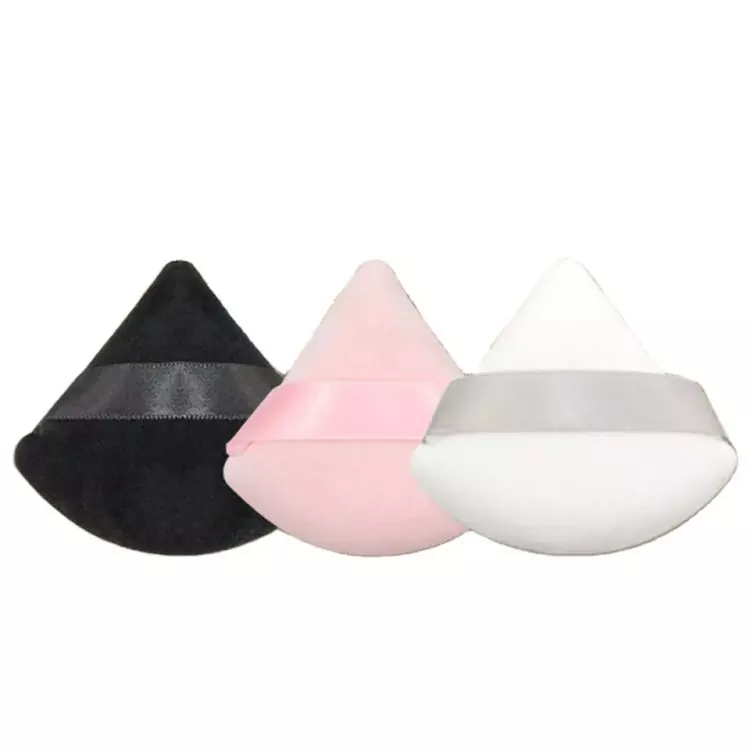
The first mistake is choosing a Makeup Puff only by unit price. Cost matters, of course, especially for large orders. But if the puff creates poor application, sheds fibers, or feels uncomfortable, the lower price may damage the product experience. Buyers should compare value, not just price.
The second mistake is approving a sample without testing it with the real formula. A puff may feel soft when dry but perform badly with liquid foundation. Another puff may look suitable for powder but release too much product in one spot. Real formula testing is the safest way to avoid mismatch.
The third mistake is ignoring packaging fit. A Makeup Puff must work with the full product design. Thickness, diameter, ribbon position, and color should all support the final presentation. A puff that looks good alone may still fail inside the final compact.
The fourth mistake is not defining quality standards clearly. Buyers should confirm acceptable tolerance for size, color, printing, edge cutting, and material feel. This is especially important for repeat orders, because consistency protects the brand’s reputation.
FAQ
What is a Makeup Puff used for?
A Makeup Puff is used to apply or blend powder, foundation, cushion products, and other base makeup. Depending on its material and shape, it can help create a matte finish, build coverage, reduce shine, or support quick touch-ups during the day.
How do I choose a Makeup Puff for powder products?
For powder products, choose a puff with a soft surface, comfortable thickness, and balanced powder pickup. It should release powder evenly instead of creating heavy patches. Velour-style or soft powder puffs are often considered for loose powder and pressed powder applications.
Can one Makeup Puff work for every formula?
Not always. Different formulas need different puff properties. Cushion foundation usually needs elasticity and smooth pressing performance, while loose powder needs soft pickup and even release. Matching the puff to the formula gives a better result.
Why does a Makeup Puff absorb too much product?
High absorption may come from unsuitable material density, open texture, or poor matching with the formula. Buyers should test the puff with the actual product before bulk ordering to see how much formula stays in the puff and how much reaches the skin.
Is customization available for Makeup Puff orders?
Many brand buyers request customized size, color, ribbon, logo, packaging, or product set matching. Before confirming a custom order, buyers should review samples carefully and confirm all design details in writing.
How often should users replace a Makeup Puff?
Replacement depends on use frequency, formula type, cleaning habits, and material quality. If the puff becomes stiff, stained, damaged, difficult to clean, or unpleasant on skin, it should be replaced.
Which Makeup Puff Should Buyers Choose in the End?
The best Makeup Puff is the one that fits the product formula, customer habit, packaging design, and brand position. A powder brand may need a soft puff with elegant pickup. A cushion foundation brand may need a dense puff with smooth rebound. A gift set may need a puff that looks beautiful while still feeling practical. There is no single answer for every product line, but there is a reliable method: test the puff in real use, compare the details, and choose the option that improves the full customer experience.
For beauty brands and wholesale buyers, a Makeup Puff should not be treated as a small accessory with no influence. It can shape how customers feel about the formula, the packaging, and the brand itself. Working with an experienced supplier such as Ningbo Purly Imp. & Exp. Co., Ltd. can help buyers review suitable puff types, customization needs, and bulk order details with more confidence.
If you are planning a new beauty product line, upgrading your current puff quality, or looking for a customized Makeup Puff solution for wholesale, private label, or promotional packaging, contact us today to discuss materials, sizes, colors, logo options, packaging ideas, and order requirements.